Clean water
Category 1Pipes, tanks and hoses release clean water, which can degrade to gray water if materials stay wet for a day or two.
Pipe and hose leak cleanupWestlake Village homes and businesses get extraction, drying and cleanup after burst pipes, appliance leaks, sewage backups and storm runoff, with every reading and photo documented for the insurance adjuster.
(888) 578-6508Start drying my wet home or shopCrews work in single-family homes, attached homes, multi-unit buildings and business parks, and match the drying plan to the structure instead of a fixed routine.
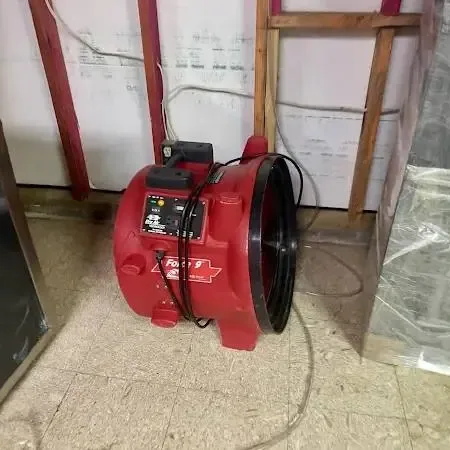
Each service below covers a different kind of water loss, from a slow leak under a floor to sewage in a bathroom, and each one starts with finding where the water went.
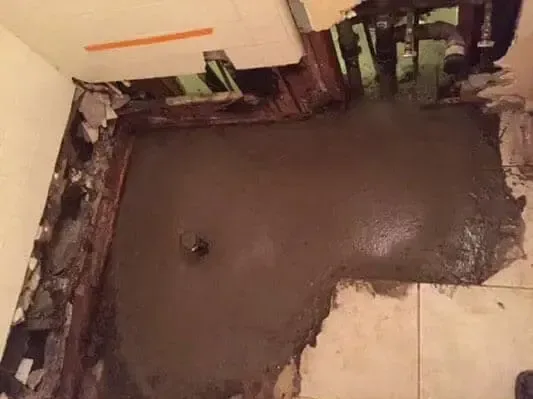 Slab Leak Water DamageA hidden leak in a pipe under the floor can soak flooring and wall bottoms for weeks, so the crew maps the moisture before cutting.View the service
02
Slab Leak Water DamageA hidden leak in a pipe under the floor can soak flooring and wall bottoms for weeks, so the crew maps the moisture before cutting.View the service
02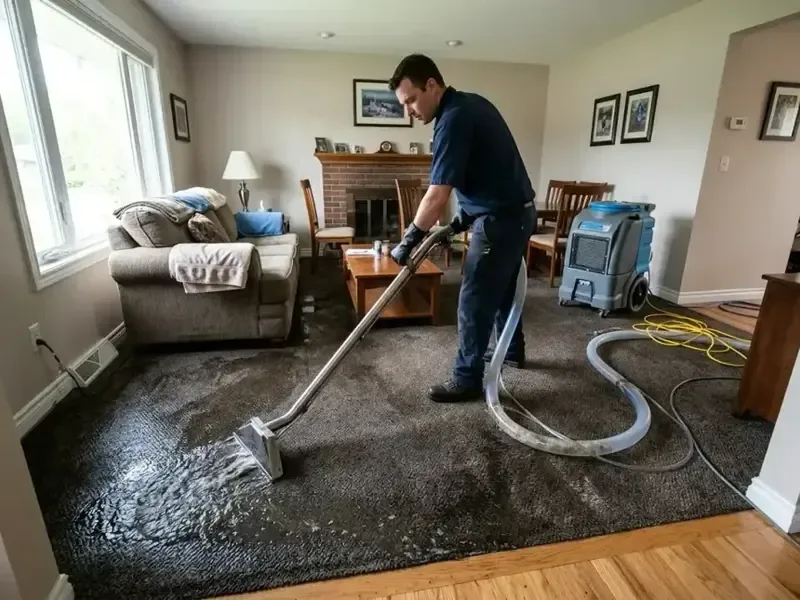 Water Extraction and RemovalTruck-mounted and portable extractors pull standing water from floors fast, which matters most once carpet pad, subfloor and walls start absorbing it.View the service
03
Water Extraction and RemovalTruck-mounted and portable extractors pull standing water from floors fast, which matters most once carpet pad, subfloor and walls start absorbing it.View the service
03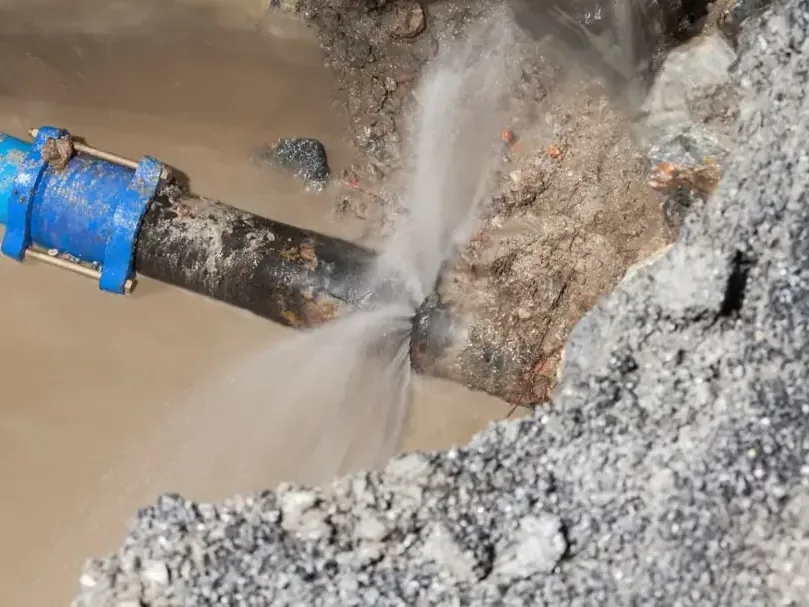 Burst and Pinhole Pipe LeaksA split supply pipe floods fast, while a pinhole can seep inside a wall for weeks, and each calls for a different drying plan.View the service
04
Burst and Pinhole Pipe LeaksA split supply pipe floods fast, while a pinhole can seep inside a wall for weeks, and each calls for a different drying plan.View the service
04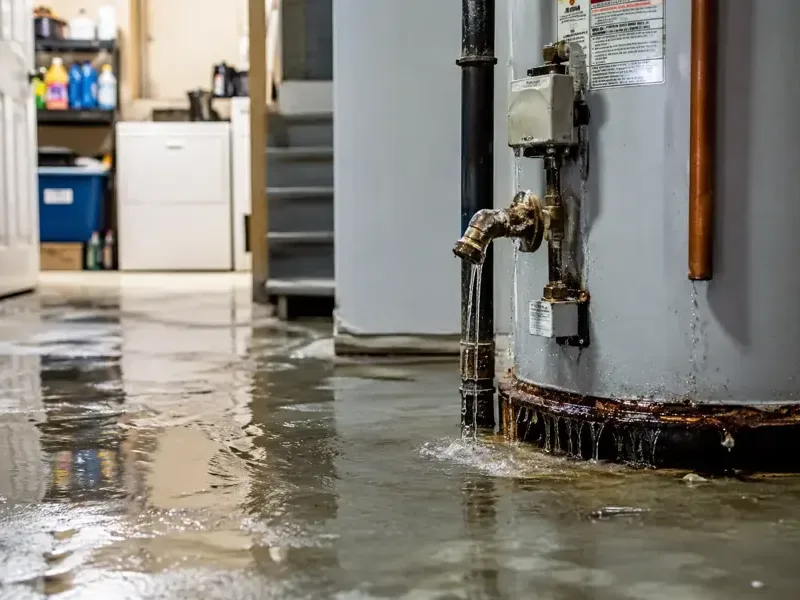 Water Heater Leak CleanupA leaking or toppled tank can soak a closet, garage or laundry room, so the crew extracts the water and dries the walls.View the service
05
Water Heater Leak CleanupA leaking or toppled tank can soak a closet, garage or laundry room, so the crew extracts the water and dries the walls.View the service
05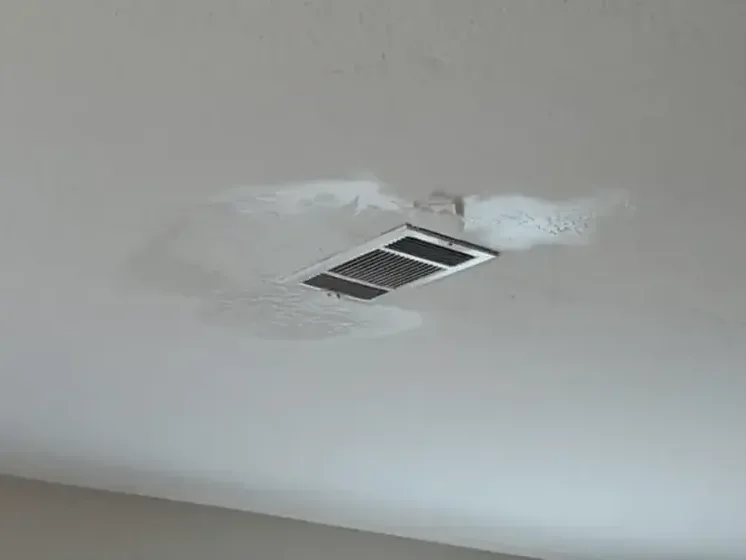 AC and Condensate Leak Water DamageA clogged condensate drain or a failed air handler pan can drip into ceilings and closets, and the insulation and drywall below need drying.View the service
06
AC and Condensate Leak Water DamageA clogged condensate drain or a failed air handler pan can drip into ceilings and closets, and the insulation and drywall below need drying.View the service
06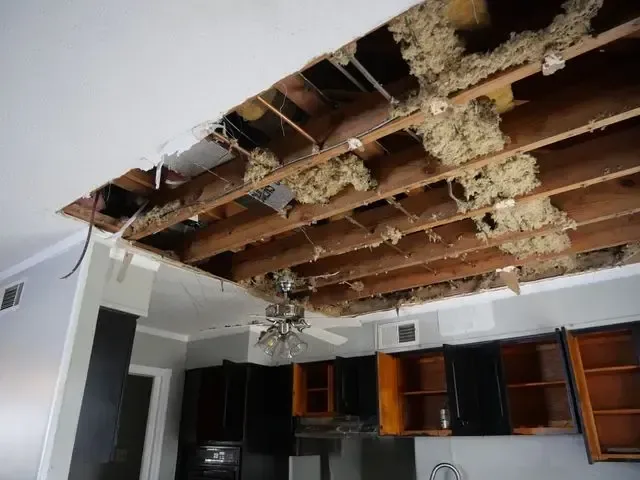 Ceiling Leak Water DamageA ceiling stain can come from the roof, a bathroom above or a neighbor's unit, so the crew traces the source before opening wet drywall.View the service
07
Ceiling Leak Water DamageA ceiling stain can come from the roof, a bathroom above or a neighbor's unit, so the crew traces the source before opening wet drywall.View the service
07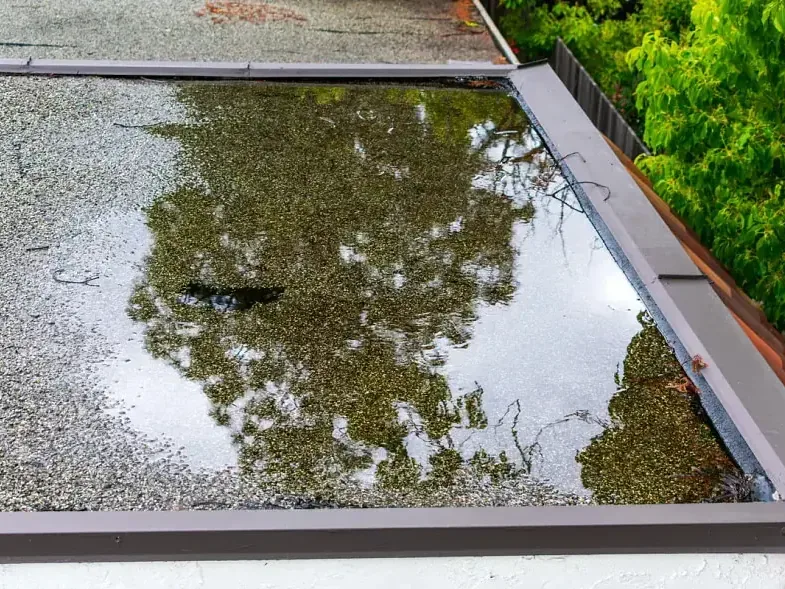 Roof Leak Water DamageWinter storm rain can find a weak spot in the roof and travel through the attic into ceilings and walls, so each layer gets checked.View the service
08
Roof Leak Water DamageWinter storm rain can find a weak spot in the roof and travel through the attic into ceilings and walls, so each layer gets checked.View the service
08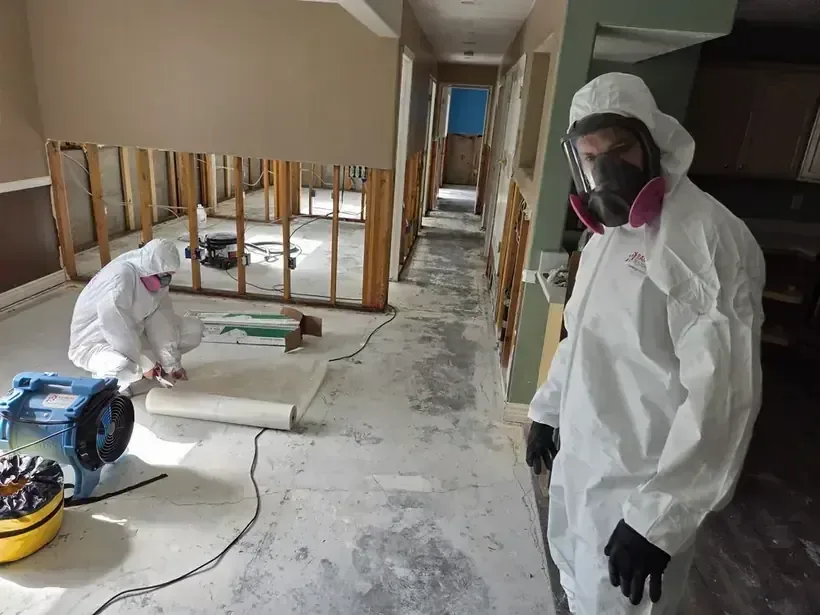 Sewage Backup CleanupA backed-up lateral or blocked drain can push sewage across bathroom floors, which calls for containment, protective gear and disinfection.View the service
09
Sewage Backup CleanupA backed-up lateral or blocked drain can push sewage across bathroom floors, which calls for containment, protective gear and disinfection.View the service
09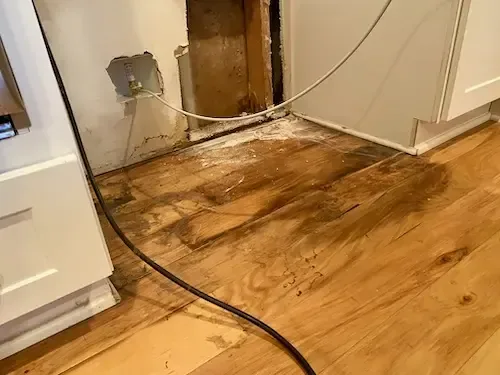 Appliance and Supply Hose LeaksDishwasher, washer, refrigerator and sink hoses often fail quietly, so the crew checks cabinets, toe kicks and the subfloor for hidden water.View the service
10
Appliance and Supply Hose LeaksDishwasher, washer, refrigerator and sink hoses often fail quietly, so the crew checks cabinets, toe kicks and the subfloor for hidden water.View the service
10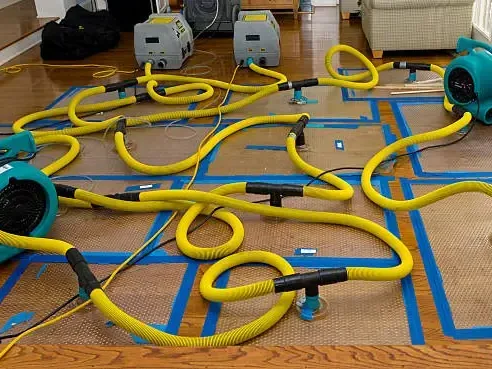 Hardwood Floor Water DamageWood floors cup and buckle as they absorb water, so drying mats go down early to save the boards that can still be saved.View the service
11
Hardwood Floor Water DamageWood floors cup and buckle as they absorb water, so drying mats go down early to save the boards that can still be saved.View the service
11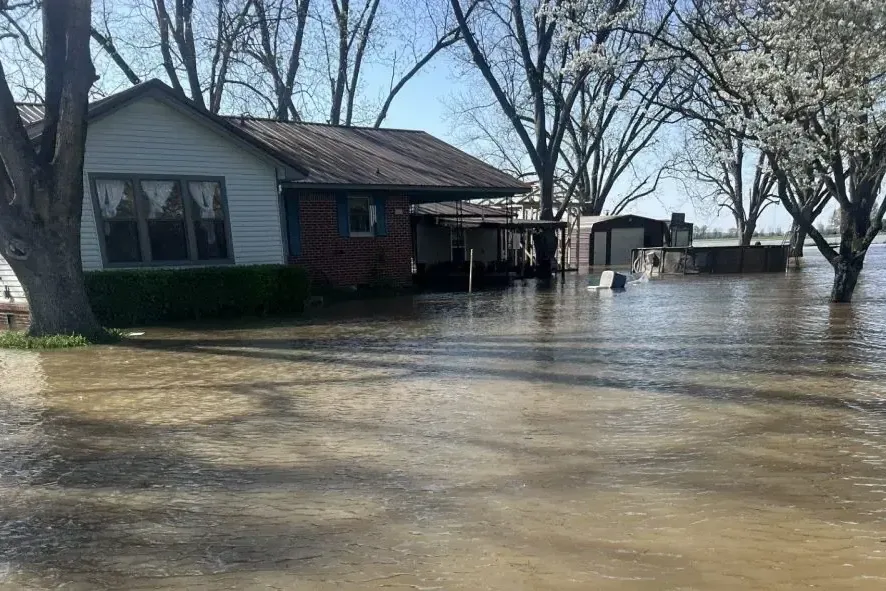 Storm and Flash Flood CleanupRunoff from heavy rain can enter garages and ground floors, and cleanup means extracting water, removing soaked materials and disinfecting what floodwater touched.View the service
12
Storm and Flash Flood CleanupRunoff from heavy rain can enter garages and ground floors, and cleanup means extracting water, removing soaked materials and disinfecting what floodwater touched.View the service
12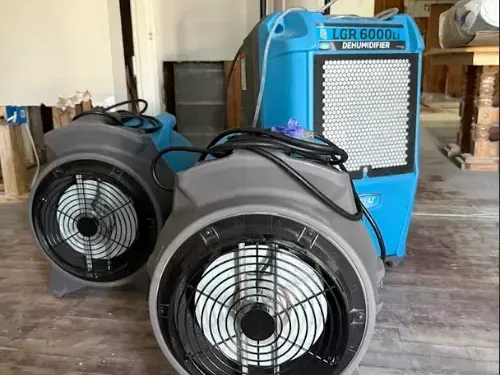 Structural Drying and DehumidificationOnce standing water is gone, dehumidifiers and air movers pull moisture from studs, subfloors and framing while daily readings show the progress.View the service
13
Structural Drying and DehumidificationOnce standing water is gone, dehumidifiers and air movers pull moisture from studs, subfloors and framing while daily readings show the progress.View the service
13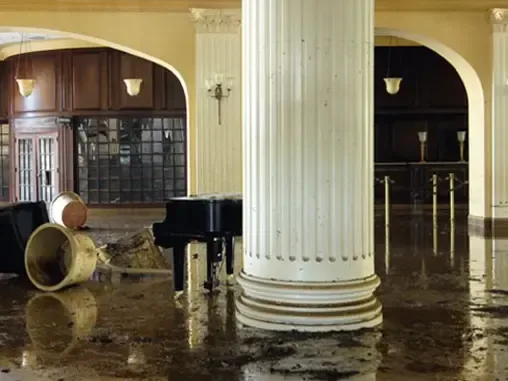 Commercial Water DamageOffices, shops, retail centers and school campuses need phased drying that works around business hours, with documentation for each unit or suite.View the service
Moisture meters, thermal imaging and a drying log come before any equipment is placed, so the plan follows where the water went and how far it spread in each home or building.
Meters and thermal imaging show where water traveled, including behind baseboards and under cabinets, before anyone decides what to open.
Extractors take the bulk of the water out first, because every gallon left in carpet, pad or subfloor adds hours to the drying.
Air movers, LGR dehumidifiers and wall or floor drying panels are placed by material and room size, then adjusted as readings change over the visits.
Final moisture readings, photos and the drying log are saved for the claim file, and equipment is pulled only after materials hit the dry standard.
The crew works inside the City of Westlake Village in Los Angeles County, from First Neighborhood, Lakeshore and Three Springs to the business parks between Lakeview Canyon Road and Lindero Canyon Road.
Areas north and south of the Ventura Freeway are covered, and ZIP 91361 is the code for the city.
Westlake Village, CA · [email protected]
(888) 578-6508Confirm my address is covered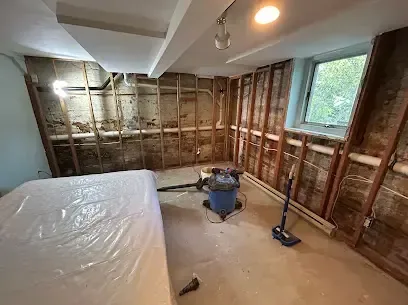
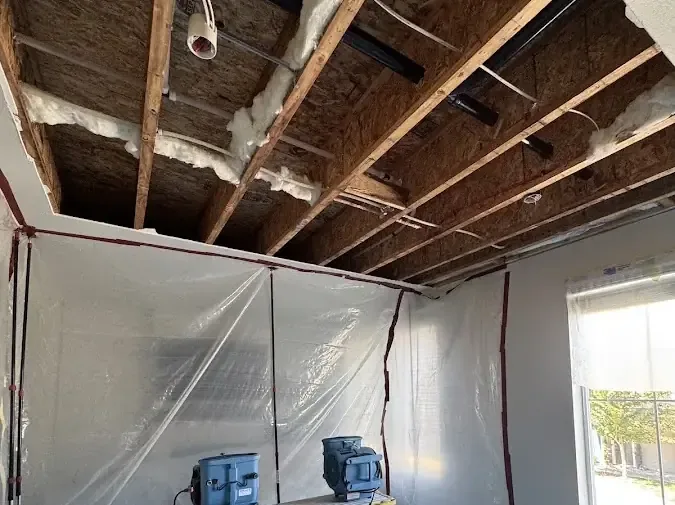
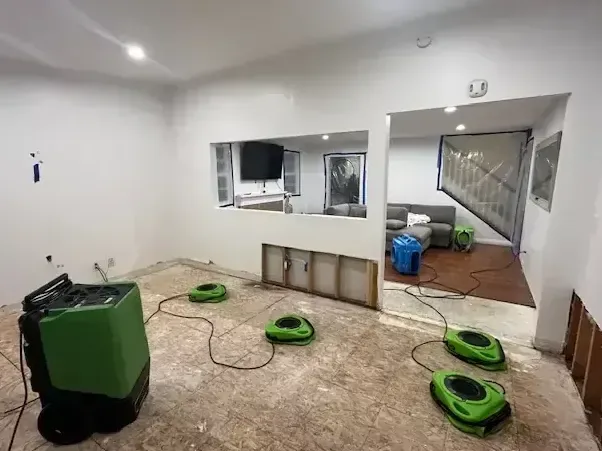
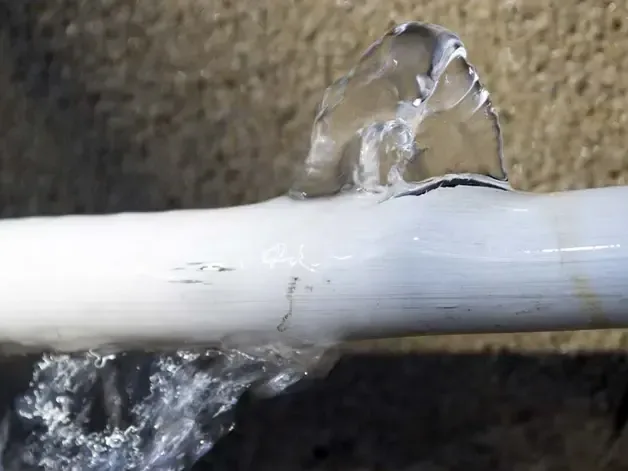
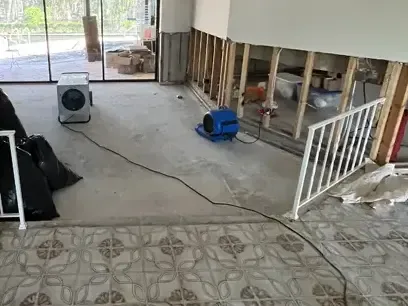
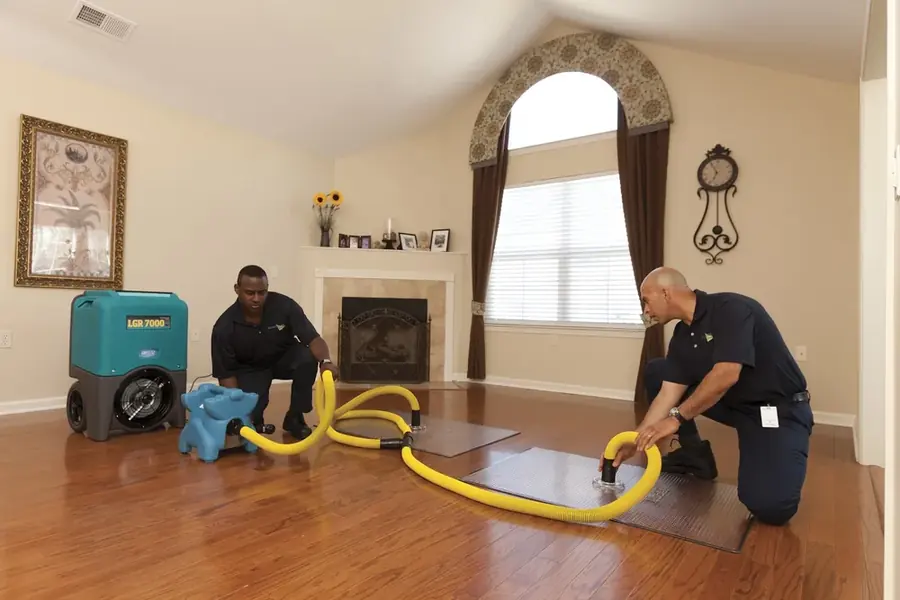
Pipes burst on weekends and storms arrive at night, so loss reports are taken at every hour and the first visit is scheduled around what the water is doing.
Drying work follows the S500 standard with LGR dehumidifiers, air movers, moisture meters and thermal imaging on the truck, so readings drive each decision.
Photos, moisture readings, equipment logs and an itemized scope are organized in the order an insurance adjuster expects, which keeps a claim moving.
Expansive valley clay, seepage through volcanic bedrock, lake and creek drainage and storm runoff all affect how water behaves around a building, and the crew accounts for each.
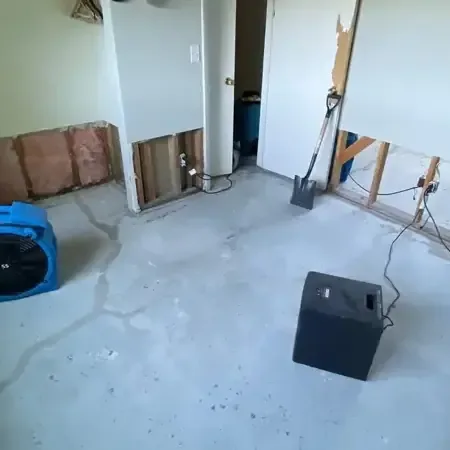
Drying follows industry standards and every step is logged so the insurer and the owner see the same record.
Pipes, tanks and hoses release clean water, which can degrade to gray water if materials stay wet for a day or two.
Pipe and hose leak cleanupWasher, dishwasher and condensate overflows carry some contamination, so soaked carpet pad and drywall are usually removed rather than dried.
Appliance leak responseSewage backups and floodwater carry bacteria, so crews use containment, protective gear and disinfection, and porous materials come out instead of drying.
Sewage backup cleanupMost water damage jobs here fall between about $500 and $20,000 or more, and the final figure depends on how much water, how long it sat and which materials are wet.
Gather these records as early as possible, because adjusters check scope and cost against the paper trail.
Owners and renters both face water losses here, with 2,927 owner-occupied and 443 renter-occupied units counted in the 2014 to 2018 American Community Survey. A landlord's policy generally covers the building, while a tenant's own policy covers belongings.
Tell the landlord or property manager right away so the source can be repaired.
Costs rise with the area wet, the water category and the time the water sat, and policies often respond to sudden losses but not to slow seepage. Moisture logs, photos and an itemized scope are saved for the adjuster.
Nearly all of the city's land drains into Westlake Lake and Triunfo Creek, then on to Malibu Creek, Malibu Lagoon and the Pacific Ocean. The General Plan limits flood hazard areas to creek canyons and the banks of the lake and reservoir.
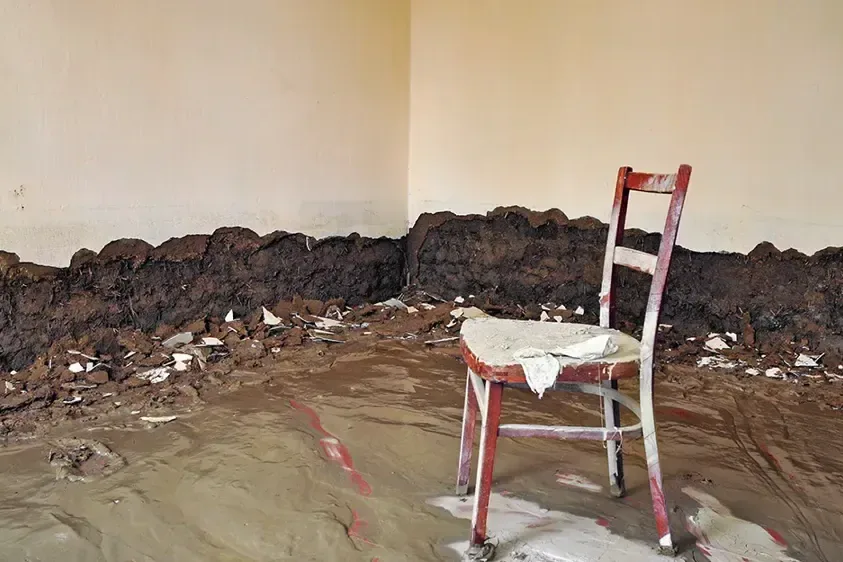
A brief storm made the Las Virgenes Reservoir use its concrete spillway for the first time, and the water district found the spillway worked and the dam was not damaged. Spillway water runs down the hillside to Three Springs Park, where a storm drain carries it to Westlake Lake.
FEMA puts Triunfo Creek and the Agoura Hills border creek in Zone AE and the lake and reservoir banks in Zone A, both inside the 100-year floodplain, though flooding there is rare.
Most of the city lies in the Very High Fire Hazard Severity Zone, and the General Plan says rain on burned open space can add flooding through the storm drains.
Volcanic bedrock is nearly impervious, so water moves through fractures and can seep to the surface, and the General Plan says those seeps can destabilize fill slopes.
Valley soils with expansive clays shrink and swell and can stress floors and footings, and a leak under a floor stays hidden until damage shows.
The property owner owns and maintains the lateral from the house or business to the connection at the City sewer. Las Virgenes Municipal Water District runs the larger trunk sewers.
Areas developed before the Non-Combustible Roofing Ordinance of 1977 include some wood shingle or shake roofs, now uncommon, and winter storms test any aging roof.
Share what leaked and which rooms are wet, and the crew explains the first steps.
(888) 578-6508 (888) 578-6508Describe my water problemAny water that is spreading, soaking drywall or flooring, or touching electrical outlets counts, along with every sewage backup. Standing water in carpet or a wall cavity keeps soaking in, and mold can start within a day or two.
A plumber repairs the pipe, while the restoration crew removes the water and dries the structure. The homeowner is responsible for the water service pipe from the meter to the house, and Las Virgenes Municipal Water District runs the water system.
Sewage bubbling from a manhole should be reported to Las Virgenes Municipal Water District, whose service staff are on call 24 hours a day. A backup inside a building is cleaned by a sewage backup cleanup crew, and the owner's lateral may need a plumber.
No. Westlake Village is an incorporated city in Los Angeles County, while roughly two-thirds of the original Westlake community lies in the Ventura County city of Thousand Oaks. ZIP code 91361 belongs to this city.
The General Plan calls the creek, lake and reservoir flood zones rarely flooded, but it notes they have caused property damage in recent history. Owners can check a specific address against the FEMA flood map.
Wildfire history matters for storm season. The Woolsey Fire began in November 2018, and the General Plan says rain on burned open space can add flooding, with runoff carried by storm drains to Westlake Lake.
Many policies cover sudden events such as a burst pipe or a failed hose, but they often exclude slow seepage and flood from outside water, which needs separate flood coverage. Reading the policy early avoids surprises.
Wet drywall, pad and framing begin to break down in a day or two, so extraction and structural drying equipment should be in place as early as possible.
California law requires water heaters to be braced, anchored or strapped against earthquakes. This is a statewide rule. A toppled tank can release a full load of water.
Yes. Commercial work follows the same drying standard but is phased around tenants, with per-suite documentation for the landlord and the insurer, from shops to the business parks between Lakeview Canyon Road and Lindero Canyon Road.
Water keeps moving through drywall and flooring until it is extracted and dried, so the sooner the crew knows the source and the affected rooms, the less has to be torn out.
(888) 578-6508Get a drying crew started