Clean water
Category 1Category 1 starts out sanitary: a burst supply pipe, a leak under a floor or a tank failure. Handled fast, carpet and pad often dry in place.
Pipe leak drying24/7 water damage restoration in Agoura Hills, CA. The response team pulls out standing water, dries walls, floors and framing to the IICRC S500 standard and keeps a claim-ready record of every reading.
(888) 578-6508Water coming in? Call the response teamStorm runoff along the creek channels, leaks between attached homes and backed-up sewer laterals lead the losses here. The water damage cost calculator gives a first range.
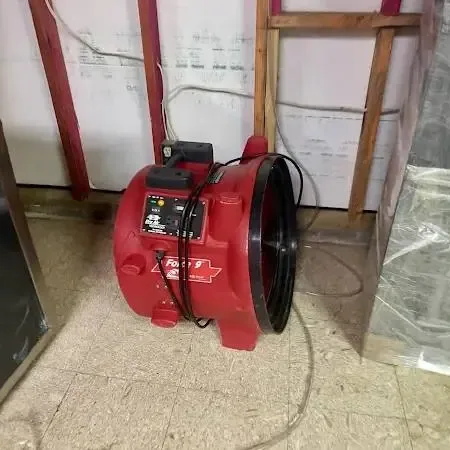
The same thirteen water-only services cover the city, each one opened with a moisture map and closed out with readings that prove the structure is dry.
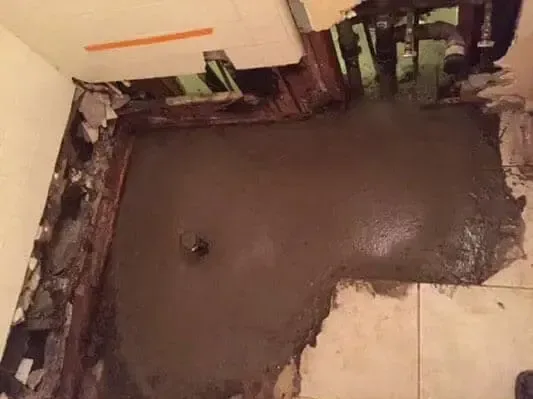 Slab Leak Water DamageWhen a supply pipe below a concrete floor gives way, water spreads under tile and carpet unseen. Wet flooring comes up and the concrete gets dried.View the service
02
Slab Leak Water DamageWhen a supply pipe below a concrete floor gives way, water spreads under tile and carpet unseen. Wet flooring comes up and the concrete gets dried.View the service
02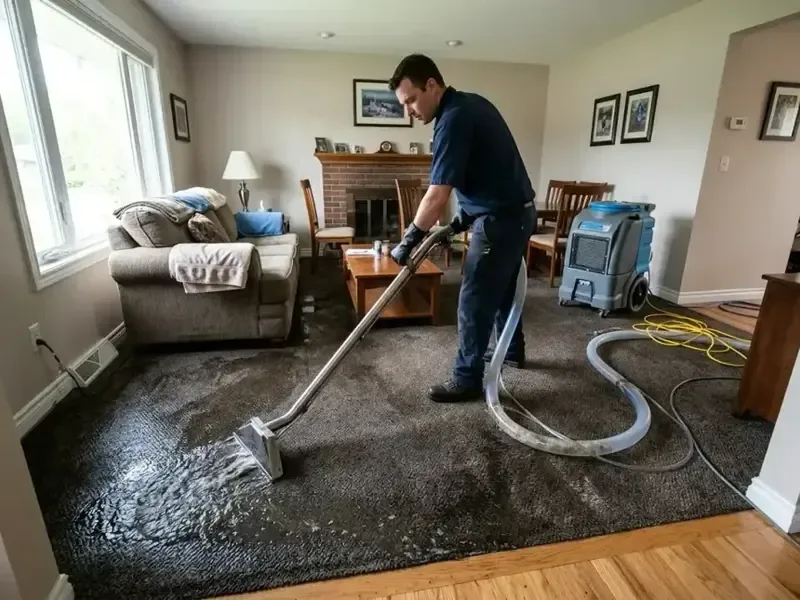 Water Extraction and RemovalHigh-capacity extractors draw standing water out of rugs, pad and hard floors early, before it climbs into baseboards and the lower drywall.View the service
03
Water Extraction and RemovalHigh-capacity extractors draw standing water out of rugs, pad and hard floors early, before it climbs into baseboards and the lower drywall.View the service
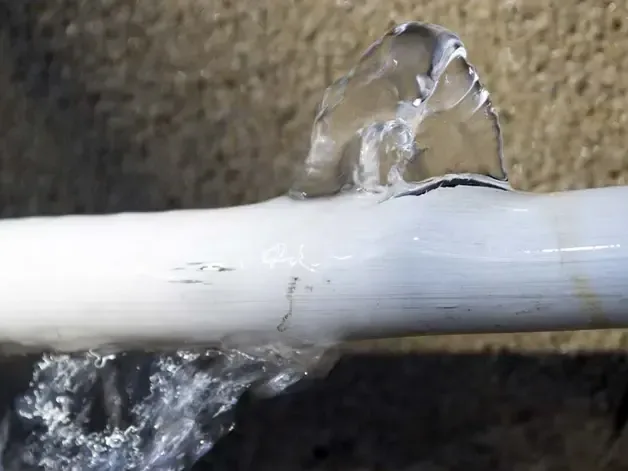
03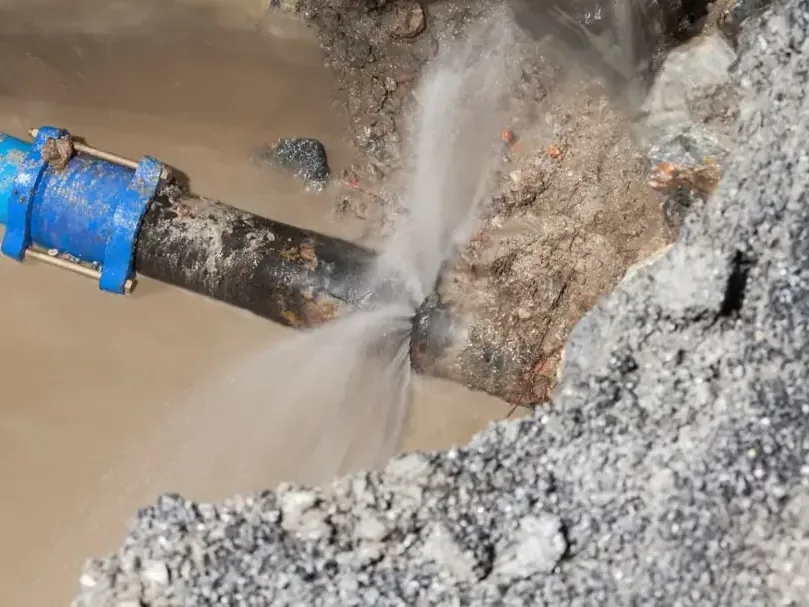 Burst and Pinhole Pipe LeaksA split or pinholed supply pipe can soak a wall cavity or ceiling fast. The cavity gets opened where readings point and dried.View the service
04
Burst and Pinhole Pipe LeaksA split or pinholed supply pipe can soak a wall cavity or ceiling fast. The cavity gets opened where readings point and dried.View the service
04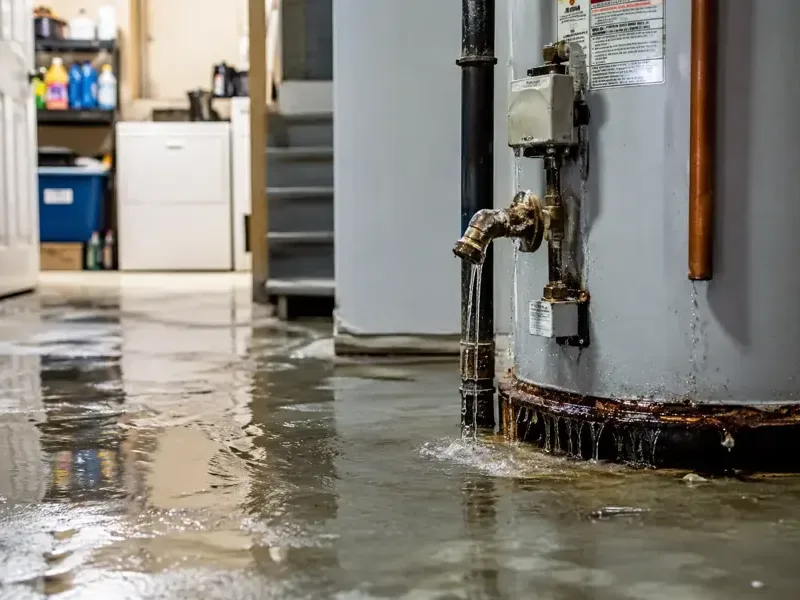 Water Heater Leak CleanupA tank that gives out can empty dozens of gallons into a garage or closet. The spill comes out and nearby walls get dried.View the service
05
Water Heater Leak CleanupA tank that gives out can empty dozens of gallons into a garage or closet. The spill comes out and nearby walls get dried.View the service
05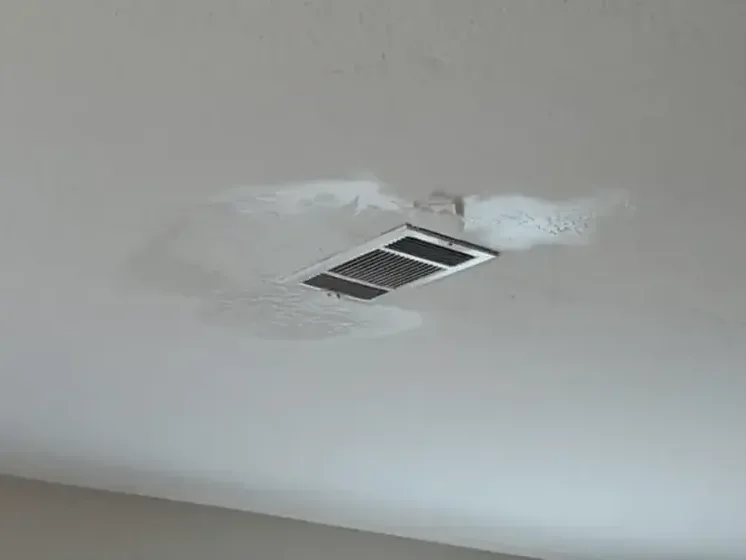 AC and Condensate Leak Water DamageOverflowing condensate pans and blocked drains drip into insulation and ceiling drywall. Soaked material comes out and the framing dries.View the service
06
AC and Condensate Leak Water DamageOverflowing condensate pans and blocked drains drip into insulation and ceiling drywall. Soaked material comes out and the framing dries.View the service
06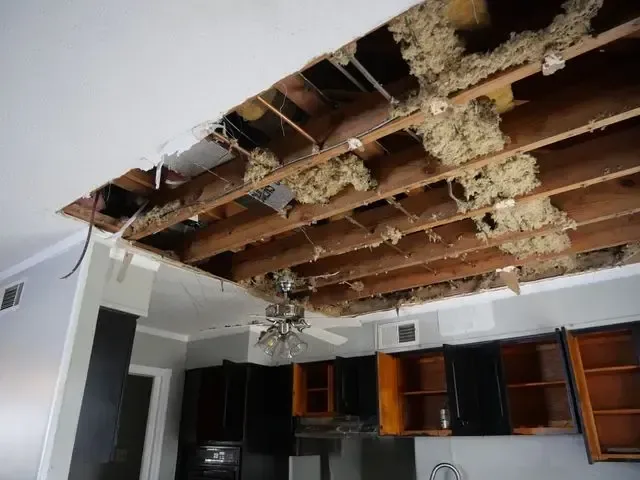 Ceiling Leak Water DamageA tub, a toilet or a neighbor's unit above can wet a ceiling. The source gets traced before saturated drywall is cut away.View the service
07
Ceiling Leak Water DamageA tub, a toilet or a neighbor's unit above can wet a ceiling. The source gets traced before saturated drywall is cut away.View the service
07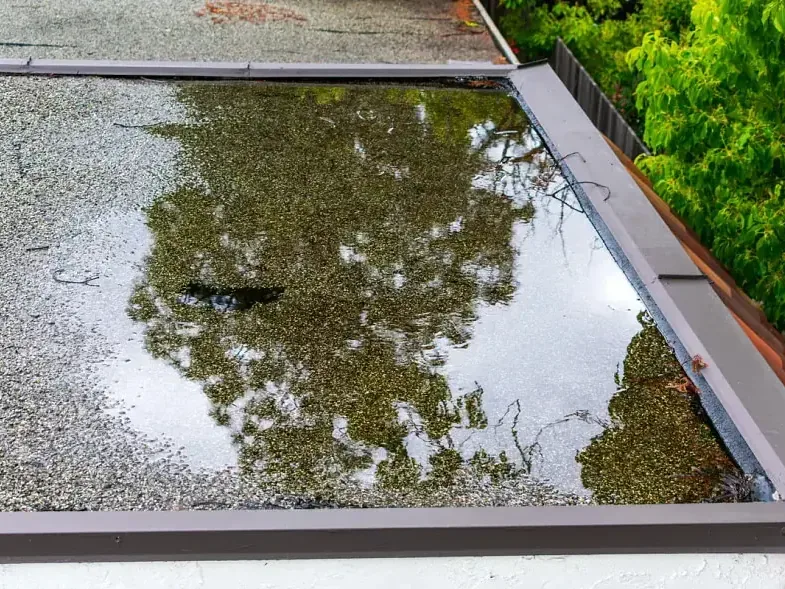 Roof Leak Water DamageHard winter rain and gusty winds work water past flashing and vents. Wet attic insulation is pulled and ceilings below are dried.View the service
08
Roof Leak Water DamageHard winter rain and gusty winds work water past flashing and vents. Wet attic insulation is pulled and ceilings below are dried.View the service
08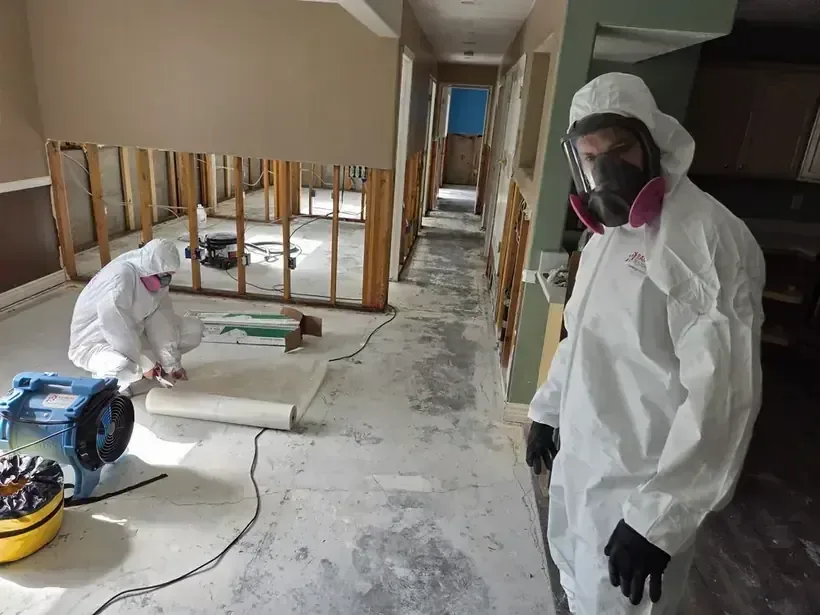 Sewage Backup CleanupA blocked lateral pushes sewage up through the lowest drain. It is Category 3, so porous materials go and surfaces are disinfected.View the service
09
Sewage Backup CleanupA blocked lateral pushes sewage up through the lowest drain. It is Category 3, so porous materials go and surfaces are disinfected.View the service
09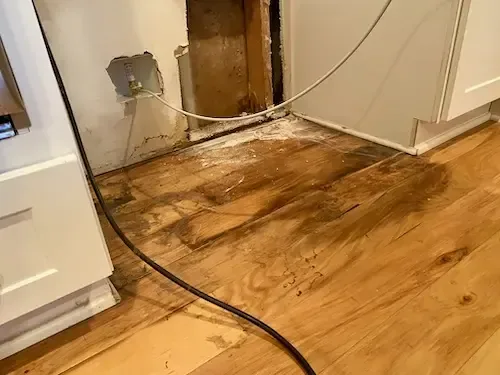 Appliance and Supply Hose LeaksDishwasher, washer, fridge and toilet supply hoses fail with little warning. Water is pulled from floors and cabinet bases are dried.View the service
10
Appliance and Supply Hose LeaksDishwasher, washer, fridge and toilet supply hoses fail with little warning. Water is pulled from floors and cabinet bases are dried.View the service
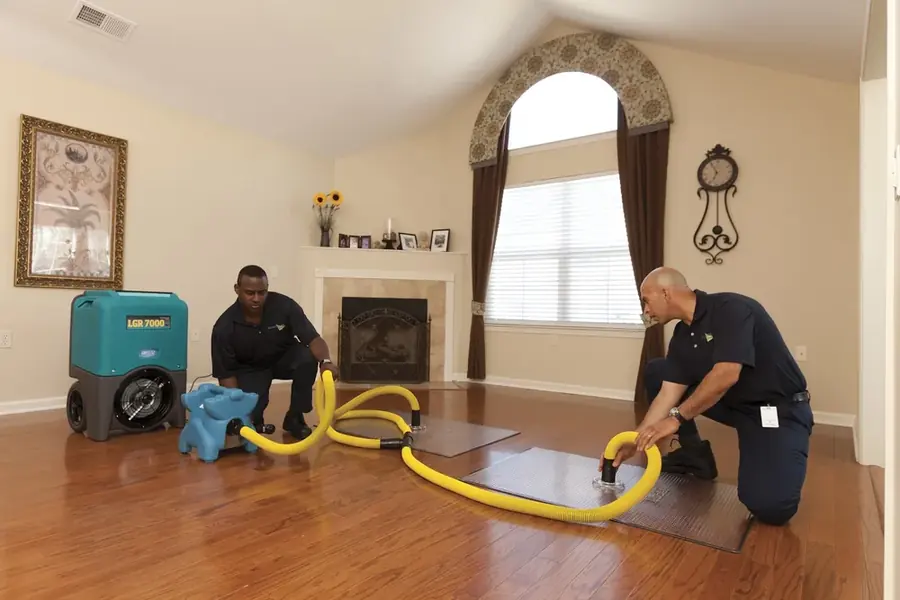
10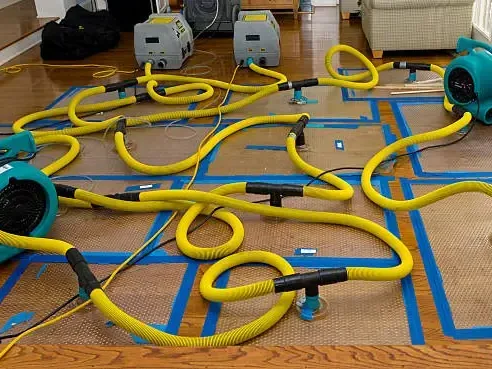 Hardwood Floor Water DamageWood floors cup as boards take on water. Panel drying systems draw it back out where readings show the floor can be saved.View the service
11
Hardwood Floor Water DamageWood floors cup as boards take on water. Panel drying systems draw it back out where readings show the floor can be saved.View the service
11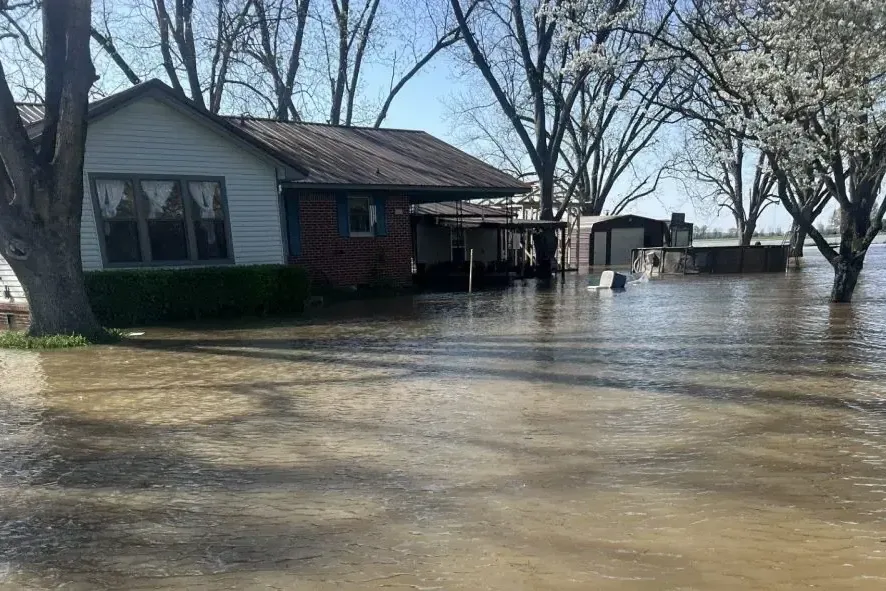 Storm and Flash Flood CleanupRunoff that tops a yard drain or pours under a door counts as contaminated. It is removed, the area cleaned and the structure dried.View the service
12
Storm and Flash Flood CleanupRunoff that tops a yard drain or pours under a door counts as contaminated. It is removed, the area cleaned and the structure dried.View the service
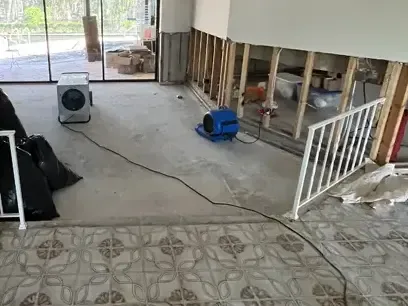
12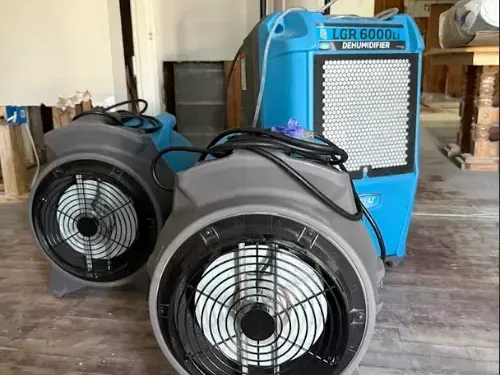 Structural Drying and DehumidificationStuds, subfloor, wall cavities and concrete dried with air movers and low-grain dehumidifiers until readings match a dry reference.View the service
13
Structural Drying and DehumidificationStuds, subfloor, wall cavities and concrete dried with air movers and low-grain dehumidifiers until readings match a dry reference.View the service
13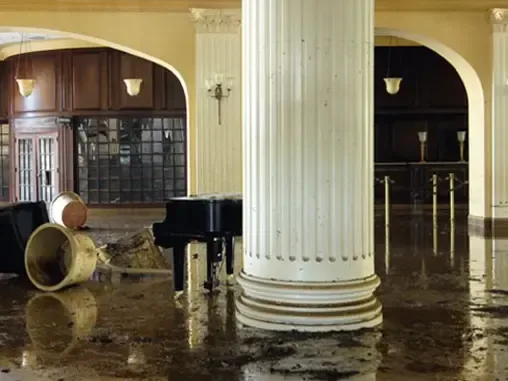 Commercial Water DamageOffices, schools and retail centers dried zone by zone so work can continue in the areas that stayed dry.View the service
IICRC S500 is the drying standard the trade works to. The drying team dries framing and subfloor, not just surfaces, and equipment stays until the meters say otherwise. Read how structural drying is measured.
The tech who does the walkthrough traces wet materials with thermal imaging and pinless meters and confirms the source first.
The extraction crew removes standing water first with truck-mounted power, since extraction moves far more water than any fan.
The drying team matches air movers to how fast each room can give up moisture and sizes dehumidifiers to the class of loss, opening walls only where needed.
Readings go into the log each day until wet materials come within 2 to 4 points of a dry reference, and only then does the equipment leave.
Dispatch covers the whole city around the clock, from Old Agoura and Liberty Canyon to Morrison Ranch, Lake Lindero and the streets off Agoura Road and Kanan Road.
Give the nearest cross streets and what is leaking when you call, so the response team arrives with the right extraction and drying gear.
Agoura Hills, CA · [email protected]
(888) 578-6508Get water help on the way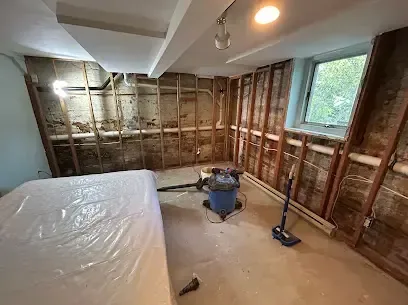
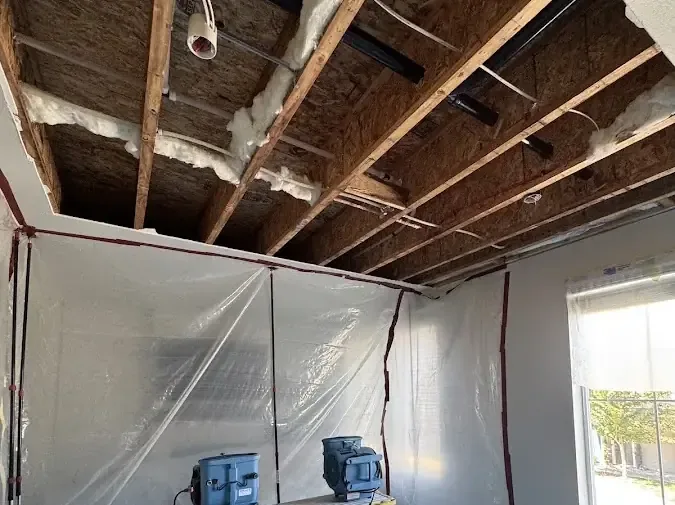
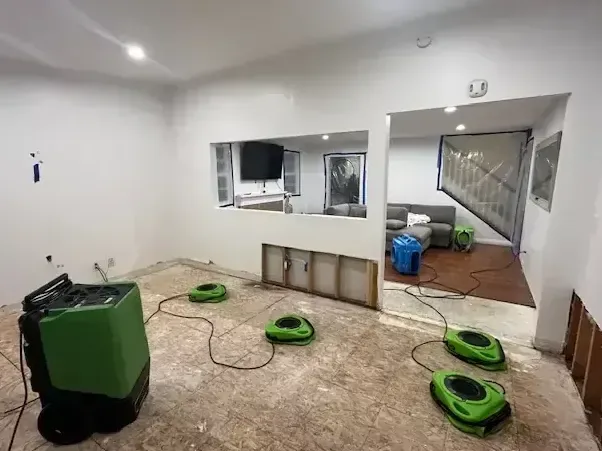
Dispatch never closes, and active water gets treated as urgent, because drywall and pad keep soaking and the 24 to 48 hour mold window starts with the first drip.
Drying goes deep into framing and subfloor, with equipment sized to the class of loss and left running until the meters agree.
Moisture maps, daily psychrometric logs, dated photos taken before demolition and an itemized scope all go into the claim file.
Creek channels that run full in winter storms, homes that share walls, hillside drainage and owner-maintained sewer laterals shape the losses here.
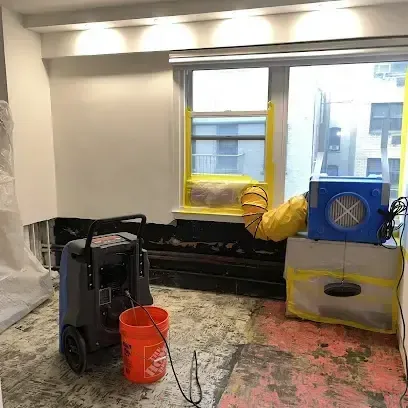
Truck-mounted water removal, low-grain dehumidifiers and daily readings, all written up for the insurance file.
Category 1 starts out sanitary: a burst supply pipe, a leak under a floor or a tank failure. Handled fast, carpet and pad often dry in place.
Pipe leak dryingCategory 2 carries contaminants, like a washer discharge, a dishwasher overflow or condensate from an AC pan. Pad usually goes and surfaces get an antimicrobial.
AC leak cleanupCategory 3 is badly contaminated, such as sewage or storm runoff. Anything porous it soaked is removed under containment, never just dried.
Storm flood cleanupMost losses in the city fall between $2,000 and $6,500. A small clean-water spill can stay between $500 and $1,800, while sewage or whole-home losses start near $7,000.
Claims turn on records, so the restoration team builds the file while the drying runs:
A sudden, accidental leak, such as a burst pipe or a tank that fails, is commonly covered by homeowners policies. Surface water from outside generally needs a separate flood policy, and sewer backup often needs an added endorsement.
Policies differ, so confirm coverage with your own insurer before work begins.
Ranges are typical, not a quote: water category, wet area, material type and how soon drying began drive the total. The cost calculator gives your own range, and the drying time estimator shows how long equipment often stays.
The city sits in the eastern Conejo Valley between the Simi Hills and the Santa Monica Mountains, and the 1980s are the decade with the largest share of its homes. Creek channels, hillside drainage and shared walls shape how water gets in.
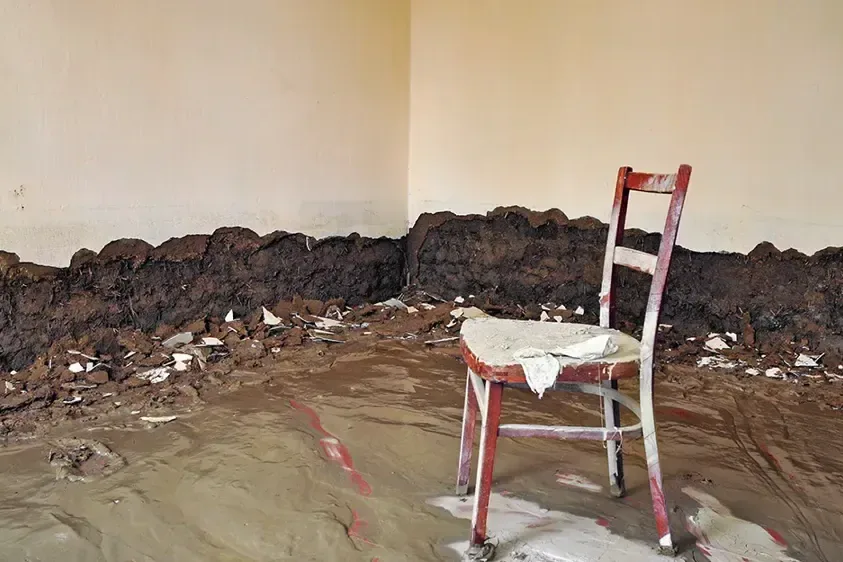
A two-day storm dropped almost 1.75 inches of rain, and a clogged storm drain flooded Canwood Street until city workers cleared it. The city and the Los Angeles County Flood Control District clear catch basins and culverts along major streets before storms.
Medea Creek and the Lindero Canyon and Chesebro Canyon channels carry storm water through the city, and local news names Lindero, Medea and Palo Comado as creeks that could rage in a long rainy season.
The General Plan notes that heavy rain can flood roadways such as Thousand Oaks Boulevard near Lake Lindero Drive.
Homeowners and HOAs are asked to clear drains on private roads before storms. A blocked inlet sends runoff toward the nearest door.
Landslides, mudslides and slumping occur in hillside areas, and ungraded lowland soils have the highest shrink-swell potential, which can stress foundations.
Las Virgenes Municipal Water District and county Public Works maintain the sewer mains, while each property owner is responsible for the lateral that runs to the main.
About 13.3% of homes are single-family attached and 13.9% sit in buildings of 5 or more units, so a leak in one home can reach the one next door or below.
Skip ahead and call. Dispatch handles live leaks, dripping ceilings and sewage backups day and night.
(888) 578-6508 (888) 578-6508Call dispatch right awayDispatch runs around the clock, and active water is handled as urgent at every hour. Give the cross streets and what is leaking so the response team brings the right gear. Timing depends on conditions and demand, so call as soon as water shows up.
Shut the main valve or the stop under the fixture, turn off breakers for wet rooms, photograph the damage and lift what you can off the floor. Stay out of any water that came up a drain.
Las Virgenes Municipal Water District and Los Angeles County Public Works maintain the sewer mains. The property owner is responsible for the lateral from the building to the main, so a blockage in the lateral is the owner's to clear.
Surface flooding from outside is usually excluded from standard homeowners policies and needs separate flood insurance, while sudden leaks inside are often covered. Coverage depends on your policy, so check with your own insurer.
The city's hazards map shows a Special Flood Hazard Area labeled Zone A, the 1% annual chance flood. Whether a specific home sits inside it takes a check of the official map.
A small clean-water loss often lands between $500 and $1,800. Most room, floor and ceiling losses fall between $2,000 and $6,500, and sewage or whole-home losses start near $7,000.
A contained Class 1 loss usually dries in three to five days, while hardwood, plaster and concrete take longer. The drying time estimator shows typical windows, and readings decide when equipment leaves.
It is the trade standard for drying water-damaged buildings. Wet materials are dried until they read within 2 to 4 points of a dry reference material in the same building, not until they feel dry to the touch.
Mitigation limits the damage through extraction, removal of ruined material and drying. Repair rebuilds what was removed, such as drywall, paint and flooring, and insurers usually look at each part on its own.
Sewage is Category 3 water the moment it appears. The team works in protective gear behind containment, removes porous materials it reached and treats surfaces with an EPA-registered antimicrobial. See sewage backup cleanup.
Standing water keeps soaking into pad, drywall and framing hour by hour. The restoration team removes it, dries to the IICRC S500 goal and documents the work for the claim.
(888) 578-6508Call before it soaks in