Appliance and Supply Hose Leaks in Malibu, CA
A cracked washer hose or a failed dishwasher seal can run for weeks behind a cabinet or under a floor. The drying team finds every wet spot, removes water and dries what can be saved.
(888) 578-6508Report a washer or dishwasher leak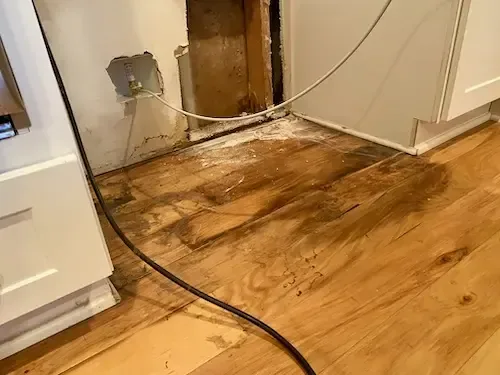
What every appliance and supply hose leaks job includes
Rapid local response
Dispatch runs 24/7, and active water is treated as urgent at any hour, weekends and holidays included.
IICRC S500 drying standard
Moisture meters and thermal imaging set the plan, and drying stops on readings, not on a calendar.
Claim-ready documentation
Moisture maps, daily psychrometric logs and timestamped photos taken before anything is torn out.
West Valley water know-how
Slab leaks under ranch homes, hard-water heater failures, attic AC leaks and winter storm runoff.
First steps for appliance and supply hose leaks
- Shut off the appliance. Close the valve behind the appliance, or the main valve if it will not close.
- Pull it out. Slide the appliance away carefully and mop up shallow water around it.
- Lift the kick plates. Remove loose toe kicks and baseboards, if safe, so trapped water can drain and air can reach the cabinet.
- Photograph the source. Capture the hose, the fittings and every stained surface, and save the appliance model for the claim.
What does appliance and supply hose leaks cost in Malibu, CA?
Appliance leak jobs run from $700 to $12,000 or more. A leak found soon after it started costs the least, while one that ran for weeks under cabinets and flooring costs the most.
Found quickly
- Leak caught early
- Extraction and fans
- Cabinets left in place
Cabinets soaked
- Kitchen or laundry affected
- Toe kicks off, bases dried
- Subfloor read with meters
Hidden for weeks
- Seepage behind a wall
- Flooring and drywall wet
- Full mitigation scope
Ranges are typical, not a quote: the category of water, square footage, material class and how fast drying started move the number most. Run the water damage cost calculator for a closer range.
How appliance and supply hose leaks is handled, step by step
Find every wet spot
Meters check the floor, cabinet base and wall behind the appliance to mark the wet area.
Extract and open
Standing water is removed and toe kicks come off to give air a path.
Dry in place
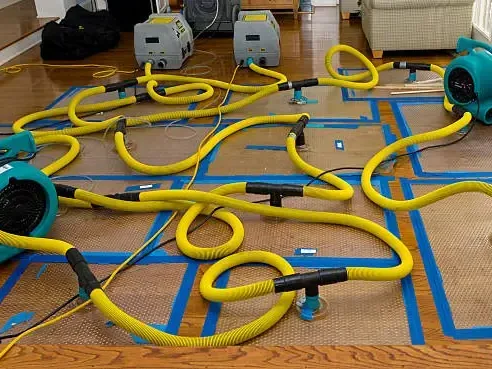
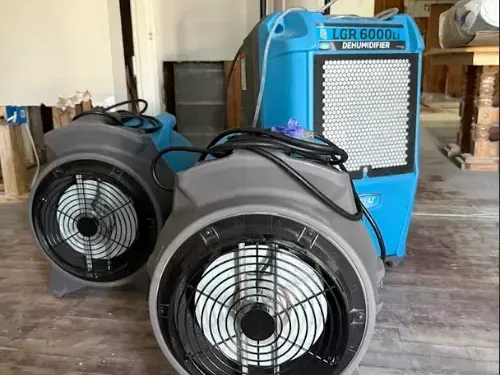
Air movers and a dehumidifier run while small holes dry the cabinet and wall cavities.
Confirm and report
Readings repeat until dry and the report goes to the owner or adjuster.
Inside a appliance and supply hose leaks job
Appliance leaks are sneaky because they run in the places nobody looks: behind the washer, under the dishwasher, beside the refrigerator. About 73.2% of occupied homes here are owner-occupied and 26.8% are rented, so a failed hose can become an owner's repair bill or a landlord's claim.
Where appliance water hides
Water from a dishwasher or ice maker hose follows the floor to the cabinet toe kick, where it soaks the cabinet base and the subfloor beneath. A washer hose can run inside the wall behind the machine. Both leave damage that is easy to miss until the floor softens or a smell appears.
Simple checks catch most hose problems early:
- Check hoses for bulges, cracks or rust at the fittings
- Look for stains or soft flooring around the machine
- Listen for dripping behind a pushed-in refrigerator
Hose or appliance leak? Name the machine and where it sat, and the drying plan is built around that.
(888) 578-6508Ask about the cabinet baseDrying cabinets without tearing them out
Toe kicks come off first so air can reach the cavity, and small holes may be drilled in the cabinet base to dry it from inside. Flooring is checked with meters, and only material that stays wet is removed. Hardwood floor drying comes into play when boards have been soaked.
Who handles the paperwork
Owners file the claim for their own appliances and finishes, while tenants should report a leak to the landlord in writing right away. The drying crew documents the source, the wet areas and the readings so whoever files has the same set of facts, then structural drying follows.
Where appliance and supply hose leaks help reaches
Appliance leak work covers owner-occupied houses and rentals across Malibu, from kitchens and laundry rooms near Point Dume and Paradise Cove to Escondido Beach, Big Rock and the Civic Center area.
The same service nearby: appliance and supply hose leaks in Winnetka, Westlake Village, Agoura Hills.
Related water damage services in Malibu
Appliance and Supply Hose Leaks questions in Malibu, CA
Water still on the floor?
Hose or appliance leak? Name the machine and where it sat, and the drying plan is built around that.
(888) 578-6508 (888) 578-6508Ask about the cabinet baseWhich appliances leak most often?
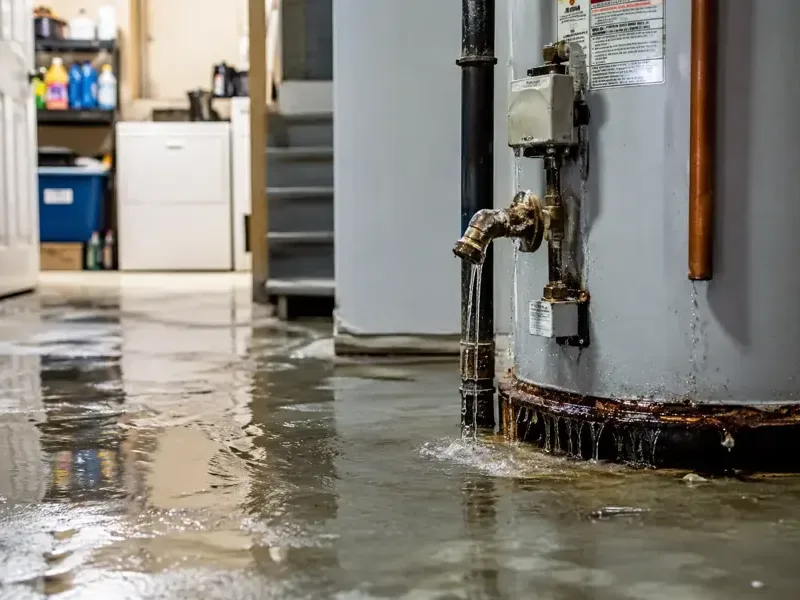
Washers, dishwashers, refrigerator ice makers and water filters are common sources, usually through worn hoses, loose fittings or failed seals.
Is a slow appliance leak covered by insurance?
Sudden hose failures are often covered, while seepage over weeks or months can be excluded as maintenance. Dated photos and readings help show when it began.
Who is responsible in a rental?
Tenants should report a leak in writing at once. The landlord's carrier often covers the building, and the tenant's policy covers belongings.
Can a dishwasher leak damage the floor beneath it?
Yes. Water escapes at the door seal or the supply hose, runs under the unit and into the subfloor, where it can stay wet after the kitchen looks dry.
Should the appliance be replaced right away?
Not until the source is confirmed. If the hose failed, a new hose may be enough, but a plumber or appliance technician should confirm before the unit is reconnected.
A slow hose leak keeps soaking
Describe the appliance, how long the water may have run and what is stained, and the team will explain which cabinets and floors need readings.
(888) 578-6508Check beneath the appliance