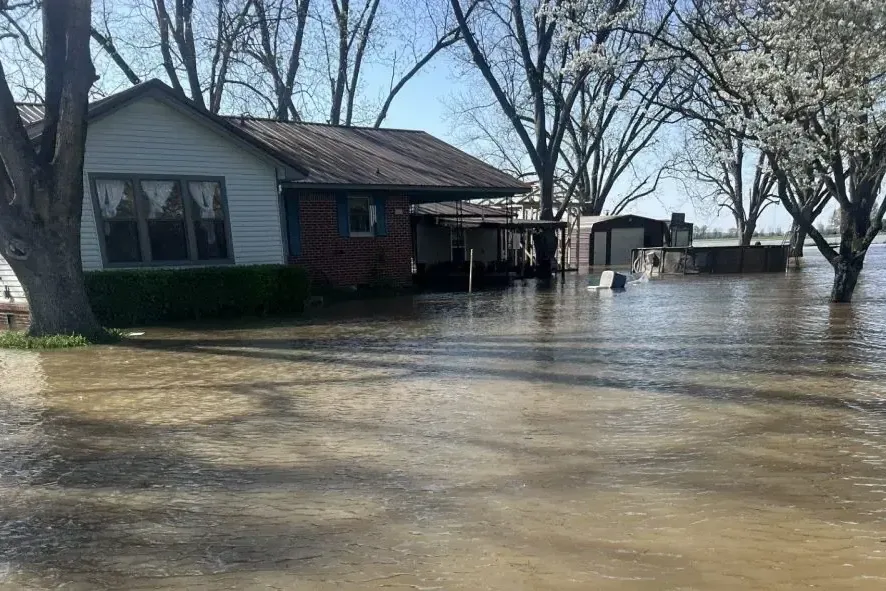
Malibu sits between the Santa Monica Mountains and the Pacific Ocean, and the canyons that drain those mountains cross the city to reach the sea. In wet winters and intense rainstorms they carry mud and debris as well as water.
Key takeaways
- The city's planning code names the area and the Santa Monica Mountains as one of three areas of Los Angeles County with a high propensity for landsliding.
- Debris flow events have been experienced in Topanga Canyon and Las Flores Canyon, and recent storms put mud on Pacific Coast Highway and Big Rock Road.
- Follow evacuation orders and National Weather Service flash flood warnings before thinking about cleanup.
- Muddy storm water is treated as contaminated, so soaked porous materials are usually removed.
- Extraction, mud removal and measured drying happen in that order.
Why Malibu canyons carry mud as well as water
Several watersheds drain through Malibu to the ocean, including Las Flores Canyon, Trancas Canyon, Zuma Canyon, Escondido Canyon and Topanga Canyon. Each is an avenue for debris and mud flows when winters are wet or storms are intense.
The planning code also notes that mapped geologic units such as colluvium or slopewash are commonly expansive, meaning they swell and shrink with moisture. Hillsides with that soil are one more reason the area is known for landsliding.
Pacific Coast Highway, Kanan Dume Road and the canyon roads have all had many closures after mudslides, so access can be limited when storms hit.
A short record of recent mud and flood events
A few dated events show how often storm water, mud and road closures have followed heavy rain. Fires are background only, because burned slopes raise the mud risk for later storms.
These dates are not a forecast. They show that closures, warnings and mud have followed heavy rain more than once, so preparing in advance is practical and not alarmist.
- Early 1994: after a November 1993 fire stripped hillside vegetation, heavy rain caused a large mudslide near Las Flores Canyon that closed Pacific Coast Highway for months.
- February 2024: atmospheric river storms flooded the canyon road near Pacific Coast Highway, rockslides closed lanes between Latigo Canyon and Corral Canyon, and the same road was closed at Piuma Road after a large mudslide.
- January 26, 2025: the National Weather Service issued a brief flash flood warning near the Franklin and Palisades burn scars, Los Angeles County Public Works closed the canyon road, and schools were canceled the next day.
- February 13, 2025: a debris flow along Big Rock Road swept a fire department vehicle off the road into the ocean, and mud reached Pacific Coast Highway at Las Flores Canyon Road.
- November 15, 2025: a flash flood warning was first issued for Malibu and the city urged residents to seek higher ground.
First steps when mud or water reaches the house
Safety comes first, because debris flows can move again and standing water can hide hazards.
Mud and water can also hide sharp debris and spilled fuel from stored equipment, so sturdy boots and gloves matter once entry is allowed.
- Follow evacuation orders and stay out of areas that officials have closed.
- Do not wade through moving water or mud, and keep children and pets away.
- Leave power on wet circuits alone, and switch off the panel only if it is dry and reachable without stepping in water.
- Photograph the waterline, mud depth and damaged belongings with the date visible.
- Move dry valuables to higher shelves if it is safe to do so.
- Call a restoration team once the hillside and street are safe to enter.
What cleanup involves: extraction, mud removal and drying
Cleanup after a canyon storm is a staged process, and local water damage restoration follows the same order each time. Each stage depends on the one before it.
Not every room is affected the same way. A garage may hold inches of mud while a hallway took only a thin film of water, and the crew treats each room on its own readings.
Muddy water and debris
The water extraction crew pulls standing muddy water with pumps and extractors, then shovels and hauls out mud from floors, garages and entries. Doing this early keeps the mud from drying into a crust that is far harder to remove.
Inside a house the work relies on pumps, shovels and buckets, and it continues until the floor can be seen and measured.
Walls, floors and framing
Mud holds moisture against drywall, baseboards and flooring. Once the heavy material is out, those surfaces are measured, and wet drywall, pad and insulation that cannot be cleaned are removed.
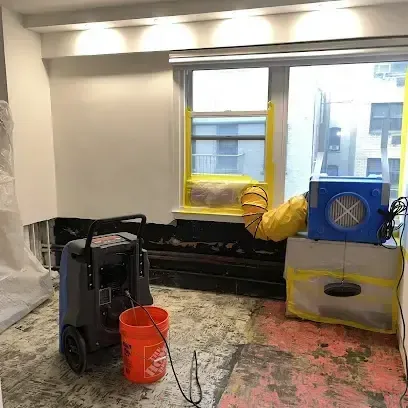
The structural drying stage then runs fans and dehumidifiers until readings match dry reference areas.
Why muddy storm water is treated as contaminated
Storm water that moves across hillsides, roads and yards picks up soil, oil and other runoff. Under IICRC S500 that kind of water is treated as unsanitary, which changes what is kept and what is discarded.
Moisture left in walls can support mold growth in 24 to 48 hours, so the work starts as soon as access is safe. The storm and flash flood cleanup steps explain how the stages fit together.
The crew also separates what can be cleaned from what cannot before anything is thrown out, so the homeowner has a list of removed items and a photo record of each one.
- Porous materials such as carpet, pad and insulation that soaked muddy water are usually removed.
- Hard surfaces are cleaned and dried instead of replaced when possible.
- Equipment stays until each reading matches dry reference points.
- Photos and logs from each visit stay with the homeowner.
Planning ahead for the next storm
The record above shows that warnings can come quickly. A short checklist kept in a drawer takes the pressure off when one does.
- Watch National Weather Service flash flood warnings and city notices during storms.
- Keep vehicles, boxes and tools off garage floors and driveways that slope toward the house.
- Photograph rooms and belongings in advance so a later comparison is easy.
- Keep contact details for a restoration team where the whole household can find them.
- Read the wider storm and flash flood cleanup steps once so the order is familiar.
Questions
Why do the canyons carry mud as well as water?
The canyons that drain the Santa Monica Mountains cross the city to reach the ocean, and they are avenues for debris and mud flows in wet winters and intense rainstorms.
Should cleanup start while a flash flood warning is active?
No. Follow evacuation orders and warnings first. Cleanup begins once the area is safe to enter and officials have reopened the street.
Is mud from a canyon storm treated as clean water?
No. Storm water that has crossed hillsides and roads is treated as contaminated, so porous materials that soaked it up are usually removed.
Why is early mud removal important?
Wet mud is much easier to remove than mud that has dried into a crust, and mud holds moisture against drywall and flooring while it sits.
Do recent storms show that debris flows are a local risk?
Yes. Debris flow events have been experienced in Topanga Canyon and Las Flores Canyon, and storms in 2024 and 2025 put mud and water on local roads.