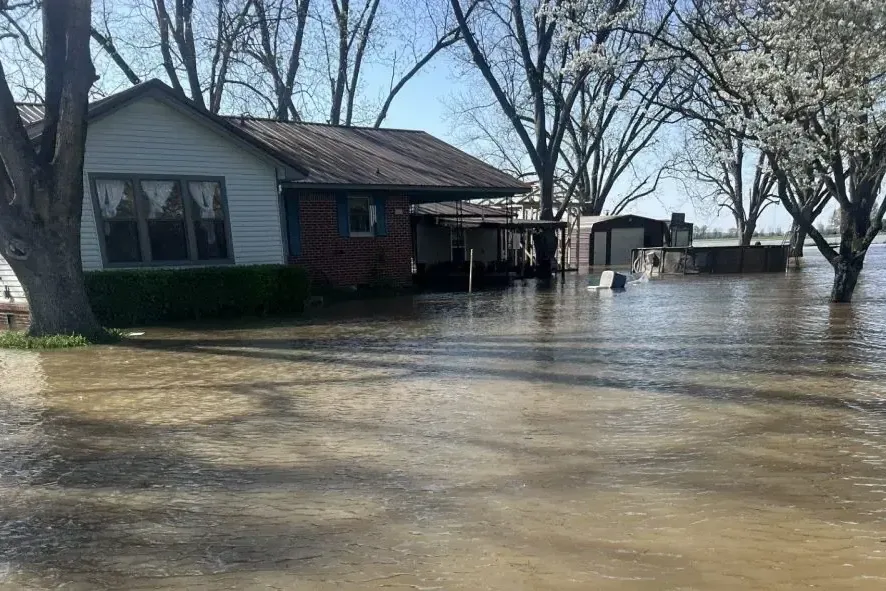
A two day storm in early December 2014 dropped almost 1.75 inches of rain, and a clogged storm drain was enough to flood Canwood Street in Agoura Hills until city workers cleared it. Street flooding like that is short and local, but it can still push water into a garage, an entry or the first room inside.
Key takeaways
- The city's General Plan says flood control and storm drains generally have enough capacity, yet one clogged drain can still flood a street, as Canwood Street showed in December 2014.
- The city and the Los Angeles County Flood Control District clear catch basins and public culverts along major streets before storms, while homeowners and HOAs are told to clear drains on private roads.
- Water that crosses a street picks up soil and runoff, so a garage or entry that took on street water is cleaned and dried as a contaminated loss.
- Standing water is pulled out first, then wet drywall bases, door frames and flooring are measured and dried.
- Creeks and canyon drainages cross the city, so storm water can arrive from channels as well as from the street.
How one clogged drain floods an Agoura Hills street
During the early December 2014 storm, rain added up to almost 1.75 inches over two days. A clogged storm drain sent water across Canwood Street, and it stayed there until city workers cleared the blockage.
The lesson is not that the area floods often. The General Plan says the city does not have a significant flooding problem, because flood control channels and storm drains generally have enough capacity.
The lesson is that capacity does nothing when leaves, silt or trash block the inlet.
Heavy rain can also flood roadways such as Thousand Oaks Boulevard near Lake Lindero Drive, so low spots along driveways and curbs deserve attention before a forecast storm.
Street water, creek water and canyon runoff
Water reaching a home can come from the street, from a channel or from a canyon, and each has a different keeper.
Channels the county maintains
Los Angeles County Public Works maintains three major flood control facilities in the city: the Lindero Canyon Channel, the Chesebro Canyon Channel and parts of Medea Creek. Medea Creek is partly improved between Agoura Road and the Ventura County border and serves the central drainage area.
Canyon drainages the county does not maintain
Palo Comado Canyon and Liberty Canyon are two major drainages that the county does not maintain. Local news has named Lindero, Medea and Palo Comado as the three creeks that could rage in a long rainy season.
The city's hazards map also shows a Special Flood Hazard Area labeled Zone A, a 1 percent annual chance flood with no base flood elevations set. Whether a particular home sits inside it has to be checked on the official map.
First day checklist when water reaches the driveway or garage
Safety comes ahead of belongings. Street water carries soil, oil and other runoff, so boots and gloves matter, and hands should be washed after any contact.
- Stay out of moving water and keep children and pets away from flooded driveways and the street.
- Switch off power to a wet garage or room at the panel only if the panel is dry and can be reached without stepping in water.
- Move vehicles, boxes and tools to higher ground before the water spreads.
- Clear a nearby private drain or grate with gloves and a rake if it is safe, and report a blocked public drain to the city.
- Photograph the waterline on walls, doors and stored items before anything is moved.
- Call an extraction crew once the street water has stopped rising and the area is safe to enter.
Water in the garage, entry and first rooms
A garage floor is built to shed water, but stored boxes, cabinets and the base of the door into the house soak it up.
Garage and entry
Anything porous that sat in street water is usually discarded. The water extraction crew pulls standing water with pumps and extractors, then the hard surfaces are cleaned and left to dry.
Interior rooms
Water that crosses the threshold wicks into the bottom of drywall, door frames, baseboards and carpet pad. Those materials are measured, and wet pieces that cannot be cleaned and dried are cut out.
The full cleanup path for these losses is described under storm and flash flood cleanup.
Who clears which drains: city, county, HOAs and owners
Knowing who owns a drain saves time when water starts to rise, and local water damage restoration covers what happens once it reaches a building.
Clearing a grate before a forecast storm is a small job compared with a flooded garage.
- The city and the Los Angeles County Flood Control District clear catch basins and public culverts along major streets before storms.
- Homeowners and HOAs are told to clear drains on private roads and on their own property.
- Los Angeles County Public Works maintains the Lindero Canyon Channel, the Chesebro Canyon Channel and parts of Medea Creek.
- The county does not maintain Palo Comado Canyon or Liberty Canyon.
What cleanup and drying cover after street water
Street water is treated as contaminated, so the crew removes materials that soaked it up, cleans hard surfaces and dries what remains.
The drying standard is IICRC S500, which sets how the work is measured and documented. Moisture left in walls can support mold growth in 24 to 48 hours, so the equipment runs until the readings are dry.
Larger storm losses follow the same steps and are covered under storm and flash flood cleanup.
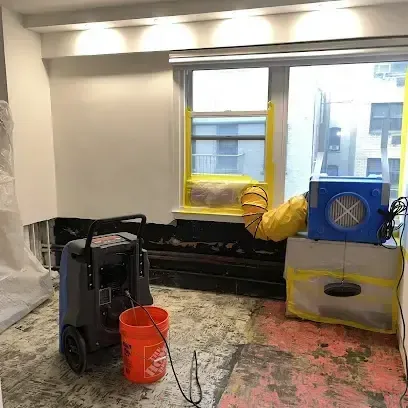
- Standing water is extracted from the garage, entry and any rooms it reached.
- Wet pad, baseboards and soaked drywall bases are removed when they cannot be cleaned.
- Hard surfaces are cleaned and the remaining materials are dried with fans and dehumidifiers.
- Readings from each visit are recorded until the structure matches dry reference points.
Questions
Does a clogged storm drain really flood a street?
Yes. In early December 2014, a clogged storm drain flooded Canwood Street during a two day storm that brought almost 1.75 inches of rain, and it stayed flooded until city workers cleared it.
Who clears drains on private roads in Agoura Hills?
Homeowners and HOAs are told to clear drains on private roads. The city and the county clear catch basins and public culverts along major streets before storms.
Is street flood water clean or contaminated?
Street water carries soil, oil and other runoff, so it is handled as contaminated. Porous materials that soaked it up are usually removed, and hard surfaces are cleaned before drying.
When should extraction start after street water enters a garage?
Once the street water has stopped rising and the area is safe to enter. Standing water left in a garage soaks into drywall bases, wood and stored items the longer it sits.
Can a flood zone map show whether a specific home is at risk?
The hazards map shows a Special Flood Hazard Area labeled Zone A, but which streets or homes are inside it has to be confirmed on the official map. A property owner should not assume the answer from a description.